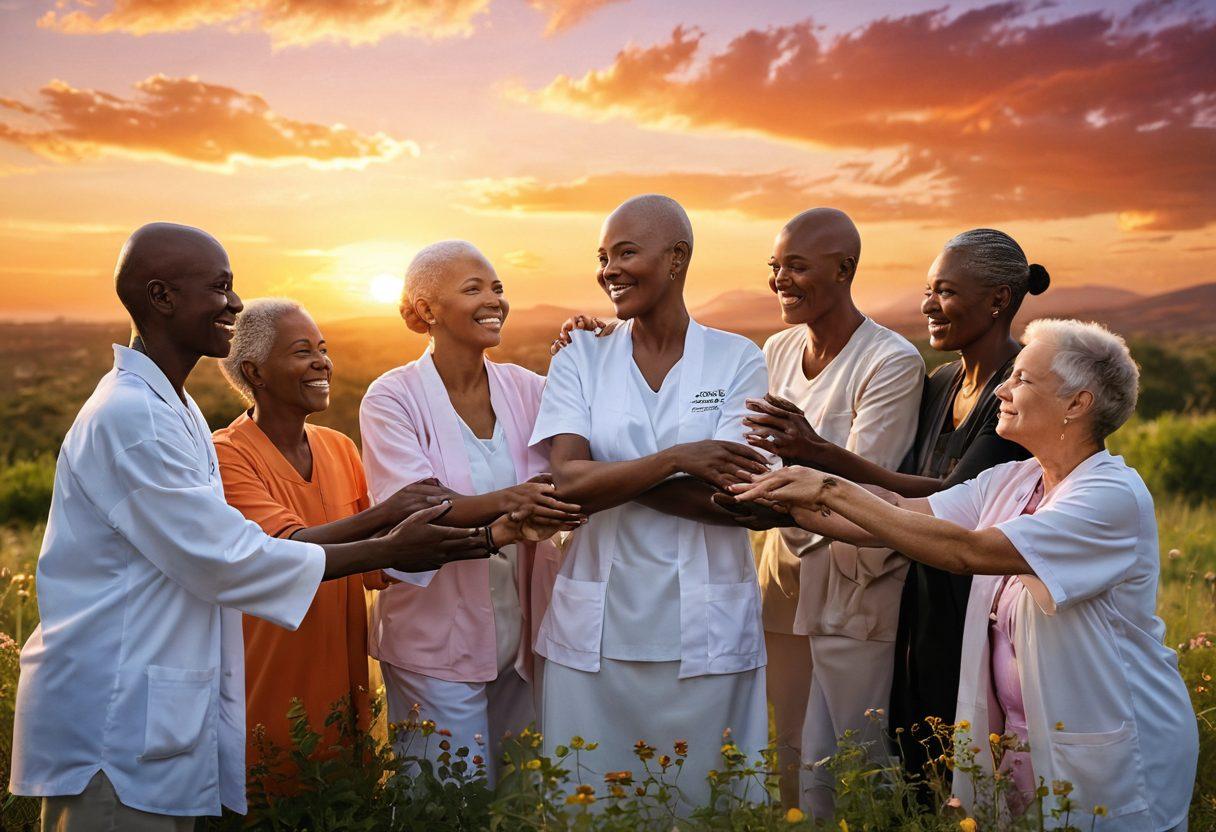
Navigating the Cancer Journey: Latest Oncology News and Empowering Support Resources
In the ever-evolving landscape of oncology news, staying informed can feel like navigating a maze. With advances in medical research and a wealth of new discoveries unfolding, the need for up-to-date knowledge is more critical than ever. How do you ensure that you, or a loved one, is armed with the right information about cancer treatment options and breakthroughs? The answers lie not just in healthcare professionals but in an active pursuit of cancer awareness, education, and community support.
Imagine a world where cancer is not a death sentence but a manageable condition. Each day, researchers delve deeper into understanding the many types of cancer, from breast to lung cancer, striving for innovative solutions and clinical trials that hold the promise of improved outcomes. Recent oncology news highlights groundbreaking treatments and therapies that weren't available a mere decade ago. As we uncover these successes, we must also ensure that our communities share this knowledge, fostering an environment where everyone can benefit from the latest in cancer research.
But knowledge alone isn’t enough. Engaging in patient advocacy and knowing about survivorship resources can significantly impact one’s cancer journey. Have you ever thought about the power of support groups? They are not just a place to share experiences; they offer emotional and practical resources to guide patients through disease management and treatment options. By cultivating a robust network of support, individuals battling cancer can find the strength and resilience needed to face the challenges ahead.
Let’s not forget the importance of wellness tips in this quest for health. Small lifestyle changes can lead to significant improvements in an individual's overall well-being and potential prevention of cancer. From diet to exercise, adopting proactive health habits is a fundamental step in fighting against the myths about cancer. Do you know someone who believes that cancer is always hereditary? It’s time to debunk those myths and spread the truth!
So, how can you contribute to breaking barriers in cancer awareness? Engaging with health blogs, participating in community events, and remaining active in support forums are simple yet impactful ways to make a difference. Let’s foster an informed community with readily accessible oncology support. Your quest for knowledge not only aids yourself but paves the way for others. Together, we can illuminate the path through the complex world of cancer, amplifying the voices of hope and resilience in the face of adversity.
Empower Your Journey: Vital Support Resources for Cancer Patients and Survivors
Life can be unpredictable, especially when faced with a cancer diagnosis. The journey through cancer is not just a matter of choosing the right cancer treatment; it’s also about finding the support and resources that empower you or your loved ones. Whether you're newly diagnosed, in treatment, or thriving as a survivor, understanding what resources are available can be the light in a seemingly dark tunnel. As you walk through this journey, the interplay of oncology news and patient advocacy shines a spotlight on crucial information that can help reframe your experience. So, how can you empower your journey?
Navigating through a sea of cancer awareness starts with understanding the various cancer types and treatment options available. From chemotherapy to immunotherapy and evolving clinical trials, staying informed about the latest medical research can be vital. But don’t get lost in the jargon! Seek out health blogs and resources that break down complex information into digestible pieces. These resources not only keep you updated on oncology news and cancer statistics, but they also shed light on the myths about cancer that often cloud our understanding. Remember, knowledge is power, and knowledge shared is empowerment.
One of the most critical aspects of managing cancer, whether you're actively undergoing treatment or celebrating survivorship, is connecting with others who understand your journey. Support groups and wellness tips can play a transformative role in your experience. Engaging with those who have traveled similar paths can foster a sense of belonging and validation. Have you ever felt alone amidst the chaos? The reassuring words of a fellow survivor can often provide the emotional lift one needs when fear or doubt creeps in. Not only can these connections offer encouragement, but they can also facilitate discussions around effective disease management strategies that truly resonate.
Healthcare is more than just treating a disease; it’s about the holistic experience of the patient. Survivorship resources are abundant and vital for long-term health post-cancer treatment. Whether it’s nutritional advice, emotional support, or learning how to navigate insurance and financial aspects, having a toolkit filled with actionable resources can help mitigate the struggles one might face. Additionally, awareness around cancer prevention and health education can empower you to take charge of your well-being, discouraging the notion that cancer control is solely in the hands of medical professionals. As a survivor or a patient, what’s one proactive step you can take today?
Lastly, the path of patient advocacy is not just for those who find themselves wearing a cape; it’s for everyone affected by cancer. Advocacy comes in multiple forms: sharing your story, volunteering in support groups, or even participating in research studies. Every contribution is a small beacon of hope for someone else navigating a similar path. Perhaps next time you hear a statistic, you can think about your role in changing the narrative. So, as our community evolves, let us remember that empowering our journey involves not just seeking support, but also becoming the support others may need. The question is, how will you choose to empower your cancer journey today?
Debunking Myths: Facts and Insights on Cancer Treatment and Prevention
Cancer is a formidable adversary, and navigating its landscape can be both confusing and daunting. From the outset, there are whispered myths and urban legends surrounding cancer treatment and prevention that can lead patients and their families astray. In this post, we will debunk some prevalent myths about cancer, providing clear and truthful insights based on the latest oncology news and cancer research. Understanding the reality of cancer treatment is not just empowering; it can also be a pivotal step towards effective disease management and survivorship resources.
One of the most common misconceptions is that cancer is a 'death sentence.' This myth can cause despair in those diagnosed and discourage them from seeking vital cancer treatment. The truth is that advancements in oncology have led to groundbreaking treatments and clinical trials that offer hope and improved prognosis for many cancer types. A recent statistic revealed that the survival rates for several cancers have risen dramatically over the past few decades, a testament to the persistent efforts of medical research and patient advocacy groups. So, what if, instead of fearing the diagnosis, we greeted it with curiosity to learn how to navigate our options?
Another myth that needs addressing is the belief that all cancer treatments are the same. Can you imagine expecting one shoe size to fit all? Just like that, cancer treatment options are varied and tailored to an individual's specific type of cancer and health needs. There are multiple treatment paths—surgery, chemotherapy, radiotherapy, and newer innovative targeted therapies. Ensuring access to comprehensive healthcare involves understanding these options deeply and engaging with healthcare professionals, as patient education is a powerful tool for making informed decisions.
Many also think that cancer prevention is entirely unattainable, believing that genetics alone dictate one’s fate. While it is true that certain cancer types have hereditary links, many lifestyle choices can influence cancer risk. From a balanced diet to regular exercise and avoiding tobacco, wellness tips can significantly impact one's health. The conversation around cancer awareness is shifting towards proactivity rather than passivity. So, what steps can you take today to prioritize your health and possibly reduce your risk of cancer?
Finally, the belief that joining support groups or seeking oncology support makes one weak is entirely unfounded. Instead, these communities can provide invaluable strength through shared experiences and emotional backing. Engaging in these support networks not only helps combat isolation but fuels personal growth and education about one's health journey. So, let’s continue to foster conversations that elevate cancer awareness, challenge the myths about cancer, and empower ourselves and others in every possible way. Who’s ready to share and learn?